Marquis de Sade’s “The 120 Days of Sodom” is a controversial masterpiece that dives deep into the darkest corners of human depravity. Written in 1785 while Sade was imprisoned in the Bastille, the novel offers a harrowing exploration of extreme sexual violence, power dynamics, and the human psyche’s darkest impulses. This article aims to dissect the heinous acts depicted in this work, providing insights into its themes, historical context, and lasting impact on literature and society.
Historical Context: The Life and Times of Marquis de Sade
To understand “The 120 Days of Sodom,” it is essential to consider the life of its author, Marquis de Sade. Born in 1740, Sade was a French nobleman whose life was characterized by scandal, imprisonment, and a relentless pursuit of libertine philosophy. His works were often censored and condemned for their explicit content and philosophical implications, rendering him a complex figure in literary history.
During the time Sade wrote “The 120 Days of Sodom,” France was on the brink of the French Revolution. This period was marked by significant social upheaval, challenging the existing moral and political order. Sade’s writing reflects not just his personal obsessions but also the broader conflicts of his time, exploring themes of freedom, tyranny, and the nature of evil.
Understanding the Structure of “The 120 Days of Sodom”

The novel is structured around the experiences of four wealthy libertines who retreat to a secluded castle with a group of young victims. The libertines set out to indulge in their most grotesque fantasies over a span of 120 days. The narrative is divided into four sections, each corresponding to a different type of sexual depravity, including:
- **The Victims**: The selection and initial exploitation of the characters.
- **The Acts**: Detailed descriptions of the various heinous acts committed by the libertines.
- **The Consequences**: The psychological and physical repercussions of the acts on both the victims and perpetrators.
- **The Reflections**: Philosophical musings that accompany the acts, questioning morality, freedom, and the nature of evil.
This structure not only serves to shock the reader but also invites deeper reflection on the underlying themes present in Sade’s work.
The Heinous Acts: A Closer Look
“The 120 Days of Sodom” is infamous for its graphic depictions of sexual violence and depravity. The text showcases a range of heinous acts, often blending sadism with elements of psychological manipulation. Some of the most disturbing elements include:
- **Extreme Sexual Violence**: The libertines engage in acts of rape, torture, and murder, showcasing a complete disregard for human life and autonomy.
- **Dehumanization**: The victims are stripped of their identities, reduced to mere objects for the pleasure of the libertines.
- **Power Dynamics**: The novel explores the relationship between power and sexual desire, illustrating how those in positions of authority exploit their power for personal gratification.
- **Philosophical Justifications**: Sade often uses philosophical arguments to rationalize the actions of the libertines, presenting a chilling commentary on morality and ethics.
The Psychological Impact on Victims

The psychological ramifications for the victims in “The 120 Days of Sodom” are profound. Sade portrays the victims not merely as objects of desire but as complex individuals subjected to trauma. The psychological aspects include:
- **Trauma and Despair**: Victims experience profound emotional and psychological trauma, leading to feelings of hopelessness and despair.
- **Survival Instincts**: Many victims exhibit a struggle for survival, adapting to their horrific circumstances in desperate attempts to maintain some semblance of agency.
- **Dehumanization and Loss of Identity**: The repeated acts of violence lead to a loss of self, as victims are stripped of their humanity.
The Philosophical Underpinnings of Sade’s Work

One of the most striking aspects of “The 120 Days of Sodom” is its philosophical depth. Sade presents a worldview that is often nihilistic and cynical, challenging traditional moral frameworks. Key philosophical themes include:
- **Libertinism vs. Morality**: Sade contrasts the libertine’s quest for freedom with societal moral constraints, positing that true freedom can only be achieved through the rejection of all moral boundaries.
- **The Nature of Evil**: Sade explores the concept of evil as an inherent part of human nature, suggesting that the capacity for violence and depravity exists within everyone.
- **The Absurdity of Existence**: The narrative often delves into existential themes, questioning the meaning of life and the nature of human suffering.
The Impact of “The 120 Days of Sodom” on Literature and Society
Despite—or perhaps because of—its controversial content, “The 120 Days of Sodom” has had a significant impact on literature and society. The novel has inspired various interpretations and adaptations across mediums, including film, theater, and visual art.
Some key impacts include:
- **Censorship and Controversy**: The novel has been banned in numerous countries and faced severe criticism, sparking debates about artistic freedom and censorship.
- **Influence on Surrealism**: Sade’s work has influenced surrealist artists and writers who explore themes of desire, power, and the subconscious.
- **Modern Discussions of Consent and Power**: The graphic nature of Sade’s work has contributed to contemporary discussions about consent, power dynamics, and the representation of violence in literature and media.
Case Studies: Adaptations and Interpretations
Several adaptations of “The 120 Days of Sodom” illustrate its ongoing relevance:
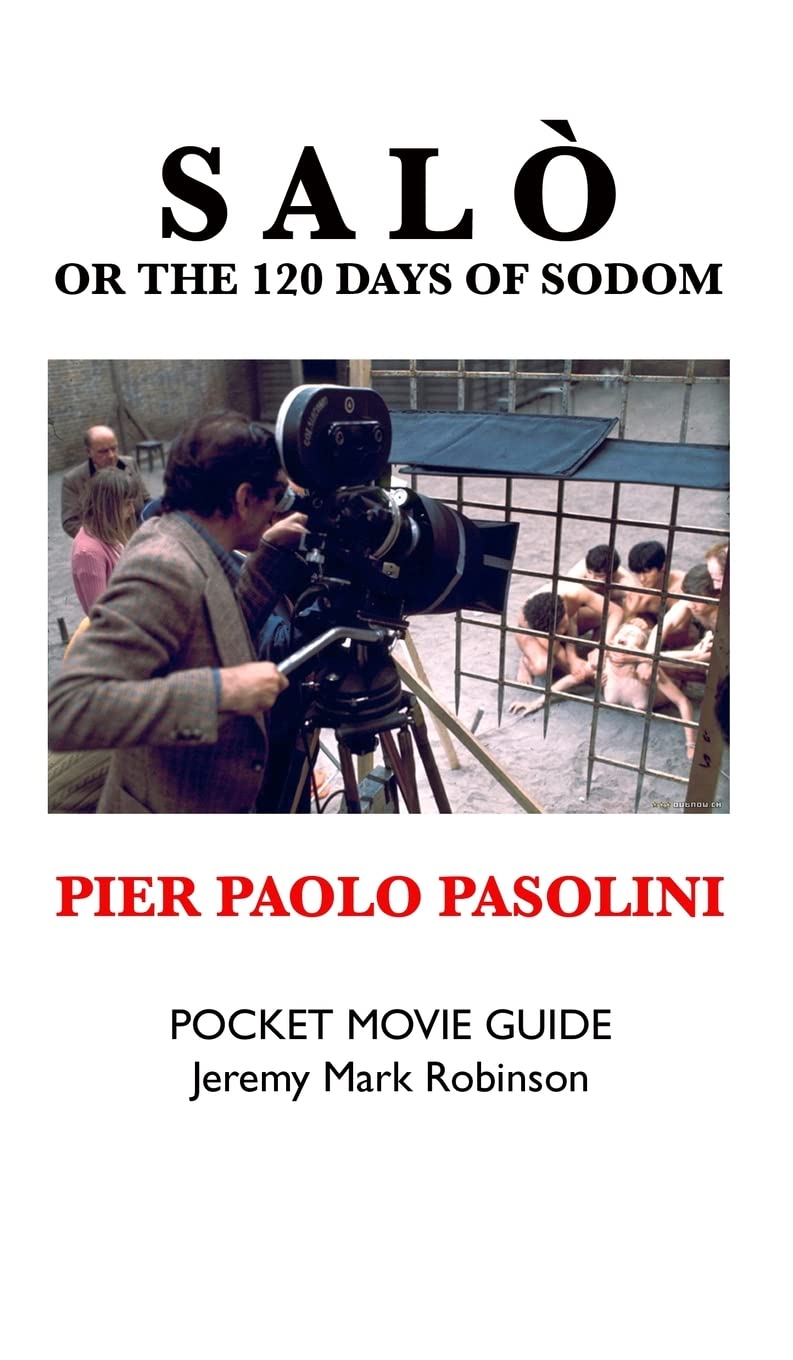
- **Pasolini’s Film (1975)**: “Salò, or the 120 Days of Sodom” reinterprets Sade’s narrative in the context of Fascist Italy, offering a critique of power and oppression.
- **Literary Analyses**: Numerous scholars have written extensively on Sade’s work, examining its implications for feminist theory, psychoanalysis, and postmodernism.
- **Theatrical Adaptations**: Various stage productions have sought to bring Sade’s unsettling narrative to life, often focusing on its philosophical and psychological dimensions.
The Dichotomy of Freedom and Oppression

In conclusion, “The 120 Days of Sodom” serves as a disturbing exploration of the darkest aspects of human nature. Through its graphic depictions of violence and philosophical musings, the novel challenges readers to confront uncomfortable truths about power, morality, and the human psyche. Marquis de Sade’s work continues to provoke thought and debate, making it a significant, if contentious, part of literary history. As society grapples with the themes presented in Sade’s work, it becomes clear that the dialogue around such dark narratives is crucial in understanding the complexities of human nature and the moral dilemmas that persist in contemporary life.