Lint-free tissue is often relegated to the role of a cleaning aid, but its versatility extends far beyond that. This specialized paper is designed to be free of fibers that could leave residue or lint behind, making it a valuable tool in various fields. In this article, we will explore five innovative uses for lint-free tissue that go beyond just cleaning, providing insights and examples to illustrate its utility.
1. Laboratory Applications
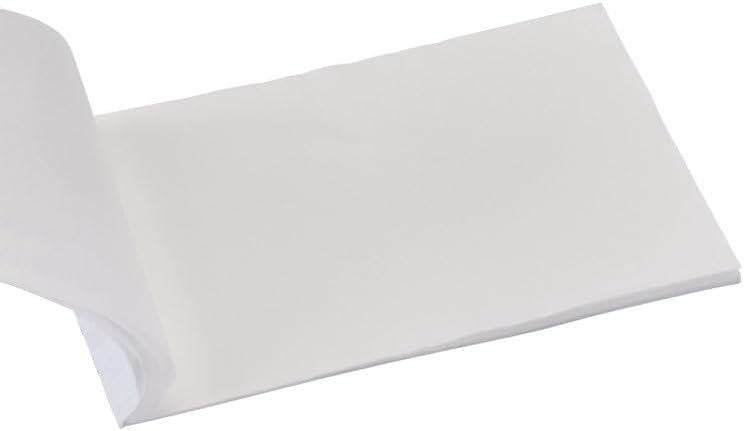
Lint-free tissues are indispensable in laboratory settings. Their non-fibrous nature eliminates the risk of contamination, making them ideal for various scientific processes.
- Sample Handling: Researchers often use lint-free tissue when handling delicate samples, particularly in microbiology and chemistry. For instance, when transferring cultures or handling sensitive reagents, using lint-free tissue prevents contamination that could skew experimental results.
- Surface Preparation: Before conducting experiments, surfaces must be cleaned thoroughly to eliminate any residues that could interfere with results. Lint-free tissues are perfect for wiping down lab benches, equipment, and glassware without introducing foreign fibers.
- Instrument Maintenance: High-precision instruments require regular maintenance. Using lint-free tissue to clean lenses, microscope slides, and other sensitive components ensures that they remain in optimal condition for accurate measurements.
For example, a study published in the Journal of Laboratory Automation emphasized the importance of using lint-free materials in maintaining the integrity of analytical instruments, noting that improper cleaning could lead to significant errors in data collection.
2. Electronics and Optics Care

In the realms of electronics and optics, where precision is paramount, lint-free tissue plays a vital role in maintaining equipment.
- Screen Cleaning: Lint-free tissues are widely used to clean screens of smartphones, tablets, and computer monitors. Unlike regular cloths, they do not leave behind fibers that could mar the display’s clarity.
- Optical Lens Maintenance: Photographers and videographers often use lint-free tissue to clean camera lenses. This prevents scratches and maintains the quality of photographs and videos.
- PCB Cleaning: Electronics manufacturers use lint-free tissue to clean printed circuit boards (PCBs) during assembly. Any residue can lead to short-circuits, making lint-free tissues essential for maintaining electronic integrity.
According to a report by the Consumer Electronics Association, improper cleaning methods can reduce the lifespan of electronic devices by as much as 25%. Lint-free tissues help mitigate this risk effectively.
3. Cosmetics and Personal Care

Lint-free tissues find a surprising yet effective application in the beauty and personal care industry.
- Makeup Application: Makeup artists often prefer lint-free tissues to apply and blend products. These tissues can be used to create a flawless finish while avoiding the transfer of lint to the skin.
- Skin Care: Many skincare products are packaged in ways that can lead to contamination. Using lint-free tissues to dispense creams and serums helps minimize exposure to bacteria, ensuring a clean application.
- Nail Care: In nail salons, lint-free wipes are used for cleaning nails before application of polish or gel. They ensure that nails are free from oils and residues that could affect product adhesion.
A survey conducted by the American Academy of Dermatology found that 72% of respondents noticed improvements in their skin health when using lint-free products. This highlights the importance of using the right materials in personal care routines.
4. Arts and Crafts

For artists and crafters, lint-free tissue serves multiple purposes, enhancing the creative process.
- Painting: Lint-free tissues are great for artists using watercolors or acrylics. They can be used to blot excess paint or clean brushes without leaving residue, allowing for more precise work.
- Printmaking: In printmaking, lint-free tissues are used to wipe down surfaces and tools, ensuring that prints are clean and free from unwanted marks.
- Crafting: Crafters use lint-free tissues for gluing and applying adhesives, as they prevent fibers from sticking to projects, maintaining a clean appearance.
A 2020 study in the Journal of Arts and Crafts highlighted that artists who used lint-free materials reported higher satisfaction with their work. The absence of lint allows for clearer lines and cleaner finishes, which is crucial in artistic endeavors.
5. Food Service and Culinary Uses

In the culinary world, cleanliness and hygiene are paramount. Lint-free tissues have found their place in food service and preparation.
- Food Preparation: Chefs often use lint-free tissues to wipe down surfaces and utensils, ensuring that no fibers are left behind that could contaminate food.
- Grease Management: Lint-free tissues excel at absorbing grease and oil. This property makes them useful for cleaning frying pans and equipment in restaurant kitchens.
- Plating: When plating dishes, chefs use lint-free tissues to clean the edges of plates, ensuring a professional presentation without any stray fibers.
A survey conducted by the National Restaurant Association found that 65% of chefs prefer using lint-free materials over traditional cloths, citing better hygiene and presentation. This trend is indicative of the growing awareness of cleanliness in food service.
The uses of lint-free tissue extend far beyond simple cleaning tasks. From laboratory applications to culinary uses, this versatile material proves to be an invaluable asset in various industries. Its ability to prevent contamination, maintain equipment, and enhance presentation makes it a go-to choice for professionals across the board.
As we have explored, the top five uses of lint-free tissue include:
- Laboratory applications for contamination-free research.
- Electronics and optics care to maintain device integrity.
- Cosmetics and personal care for hygienic application.
- Arts and crafts to achieve precision in creative projects.
- Food service for maintaining hygiene and presentation.
Embracing the versatility of lint-free tissue can lead to improved outcomes in both professional and personal settings. As industries continue to evolve, the importance of clean, residue-free materials will only grow, solidifying lint-free tissue’s place in our daily lives.