Gun holsters are an essential accessory for firearm owners, serving not only as a means of carrying a firearm safely and securely but also as a tool for quick and efficient access. The design and functionality of a holster can significantly influence a shooter’s performance, comfort, and safety. In this article, we will explore the various components of gun holsters, their functions, and the design considerations that contribute to their effectiveness.
The Basics of Gun Holsters
A gun holster is a specialized pouch designed for carrying a handgun. It can be made from various materials, including leather, nylon, and molded plastic. Holsters come in different styles and designs, each tailored for specific use cases and preferences. Understanding the components of a gun holster can help users make informed decisions about which holster best suits their needs.
Key Components of Gun Holsters
Gun holsters have several key components that work together to ensure functionality and safety. Here are the main components:
- Body: The main structure that holds the firearm, typically designed to fit a specific model or range of models.
- Retention Mechanism: A feature that secures the firearm in place, preventing accidental discharges or drops.
- Belt Attachment: A means of attaching the holster to a belt or clothing, allowing for easy carrying.
- Adjustable Features: Elements that allow users to customize the fit and carry position, such as cant (angle) or ride height.
- Trigger Guard Coverage: A design feature that protects the trigger from accidental engagement.
- Padding and Lining: Additional materials that enhance comfort and protect the firearm from scratches.
Functionality of Holster Components
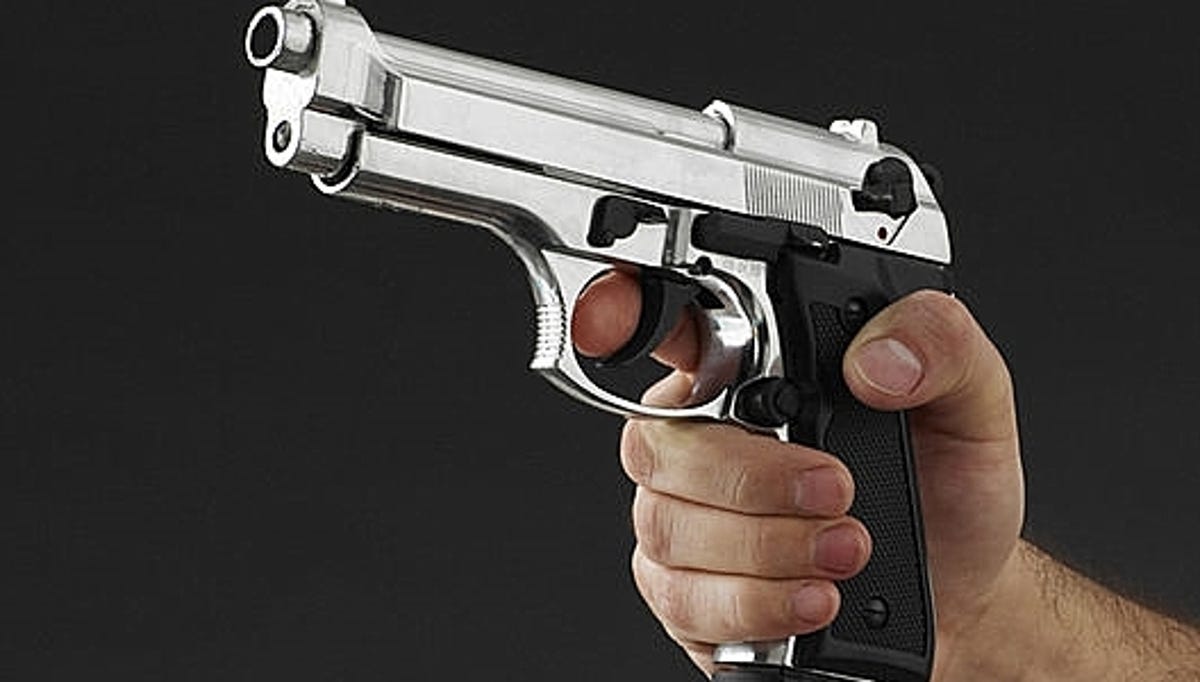
Each component of a holster plays a vital role in its overall functionality. Let’s delve deeper into how these components work and why they are important.
1. Body
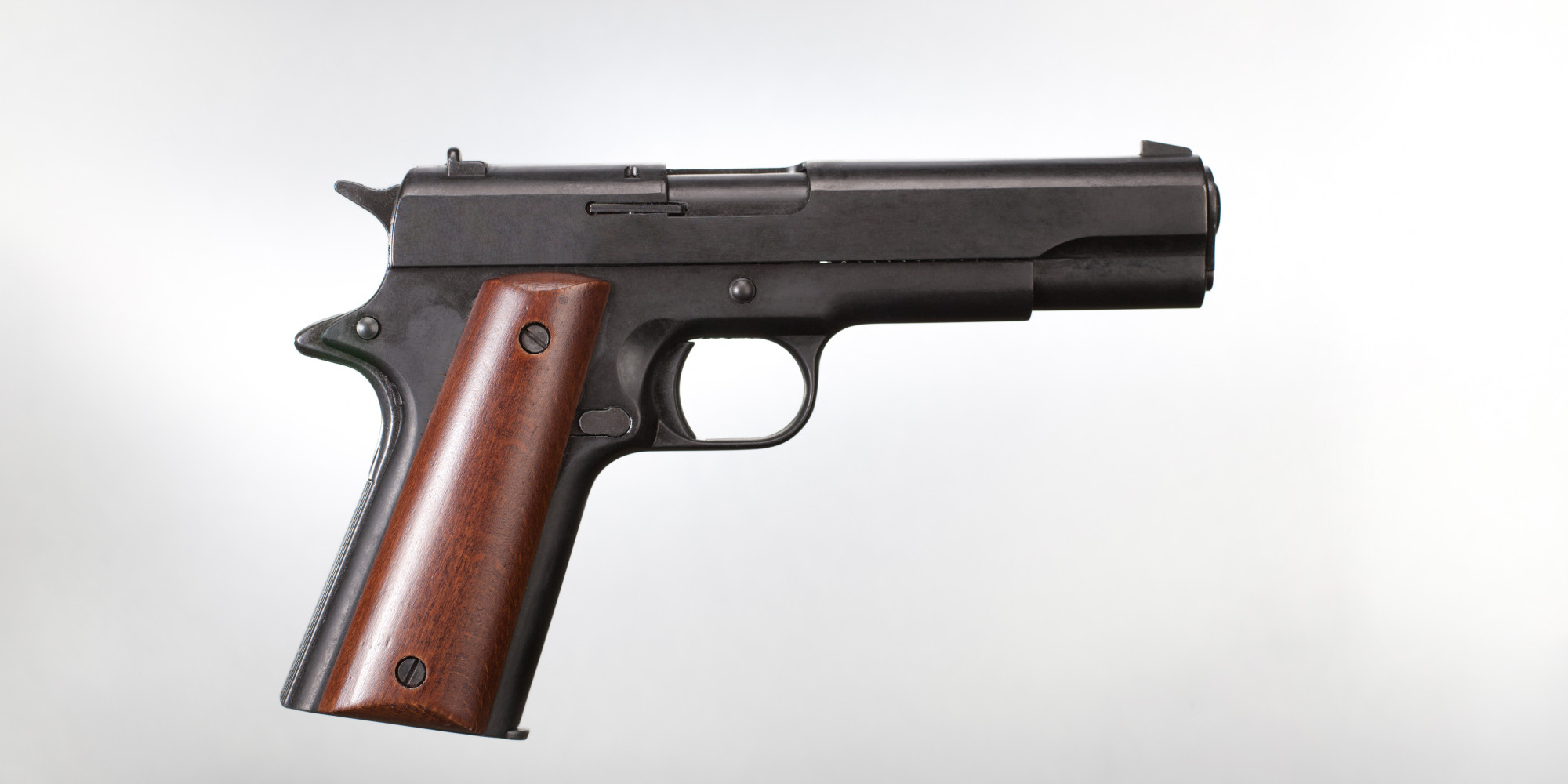
The body of the holster is the core element that dictates how well the firearm will be held in place. It must be molded or designed to fit the specific dimensions of the firearm, ensuring that the gun sits securely without excessive movement. A well-designed holster body will:
- Provide a snug fit that prevents the firearm from shifting during movement.
- Be made of durable materials that can withstand wear and tear.
- Allow for smooth drawing and re-holstering without snagging.
2. Retention Mechanism

The retention mechanism is critical for keeping the firearm secure. There are several types of retention systems, including:
- Passive Retention: Utilizes the friction between the holster and the firearm to keep it in place. Common in leather and kydex holsters.
- Active Retention: Involves additional features like thumb breaks or locking mechanisms that require a deliberate action to release the firearm.
Retention mechanisms are essential for both safety and accessibility; they should allow for quick access while preventing accidental discharges.
3. Belt Attachment
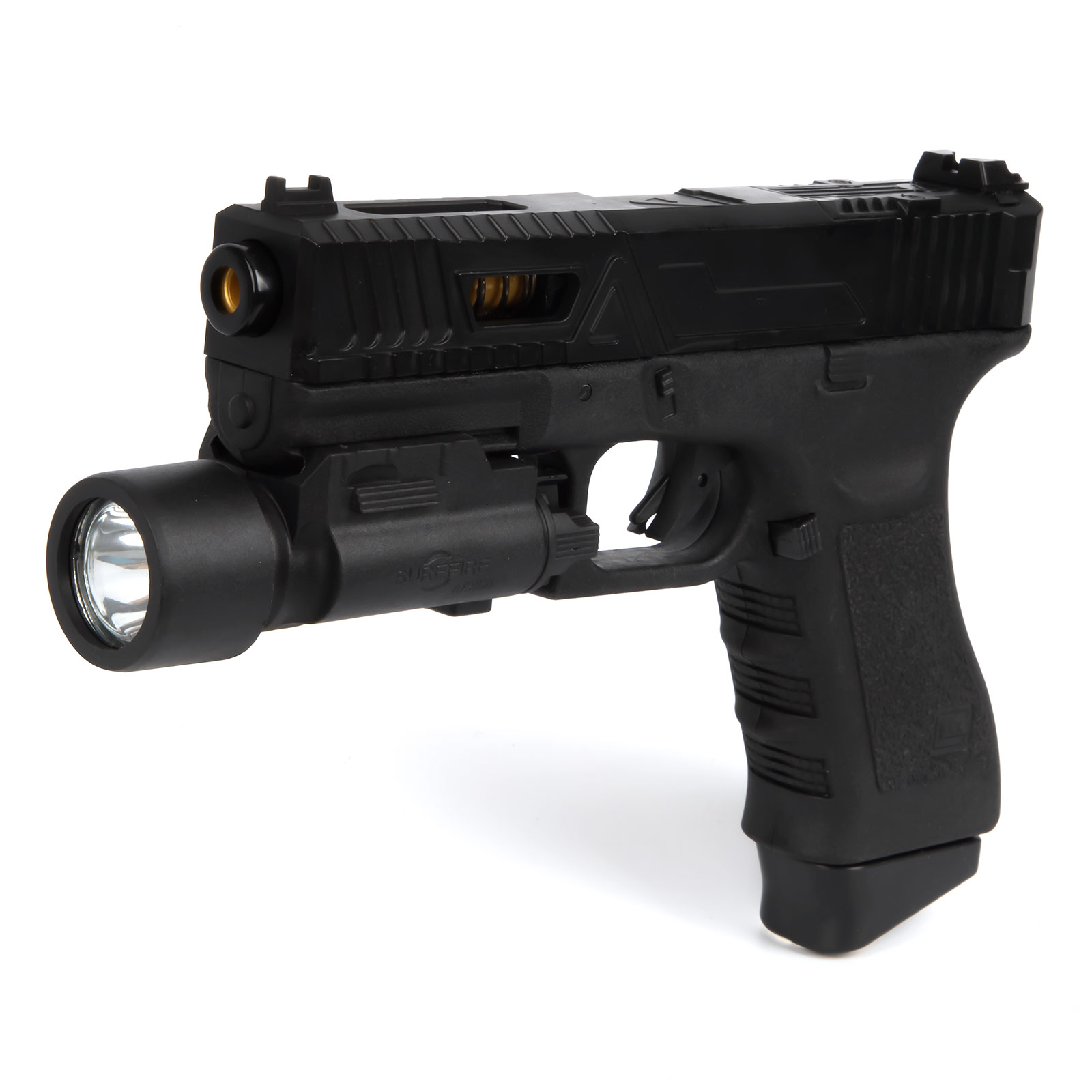
The belt attachment is crucial for stabilizing the holster during movement. Different attachment options include:
- Clip: A simple and quick way to attach the holster to the belt.
- Loop: A more secure option that often requires threading the belt through the holster.
- Slide: Designed for use with specific belt widths, ensuring a snug fit.
The choice of attachment can affect how easily the holster can be donned or doffed.
4. Adjustable Features
Many modern holsters come with adjustable features that enhance usability. Users can modify the holster’s angle (cant) and height to match their personal carrying style. This customization can improve comfort and accessibility, enabling users to find a position that works best for them.
5. Trigger Guard Coverage
Trigger guard coverage is a safety feature that prevents accidental discharges. A well-designed holster will completely cover the trigger guard, protecting the trigger from being engaged unintentionally. This is especially important for holsters used in dynamic environments, such as law enforcement or military applications.
6. Padding and Lining
Comfort is a significant factor for anyone who carries a firearm for extended periods. Many holsters include padding and soft lining to protect both the user and the gun. This feature can help prevent chafing and discomfort while also minimizing the risk of scratches on the firearm’s surface.
Design Considerations in Holster Development
The design of a holster is not just about aesthetics; it involves careful consideration of functionality, safety, and user comfort. Here are some key design considerations:
- Material Choice: The material affects durability, weight, and comfort. For instance, leather offers a classic look but may require more maintenance than synthetic materials like nylon or kydex.
- Accessibility: The holster must allow for a smooth draw and re-holstering without compromising safety.
- Concealment: For concealed carry, the holster design should minimize printing (the visibility of the firearm through clothing).
- Versatility: Some holsters are designed for various carry styles (e.g., inside the waistband, outside the waistband), making them adaptable for different scenarios.
Case Studies and User Preferences

Understanding user preferences and real-world applications can provide valuable insights into holster functionality and design. A study conducted by the National Shooting Sports Foundation (NSSF) found that nearly 60% of gun owners prefer inside-the-waistband (IWB) holsters for concealed carry due to their comfort and concealment capabilities. This preference highlights the importance of design features that facilitate a reliable and comfortable fit.
Additionally, many law enforcement agencies have specific requirements for holster designs that prioritize accessibility and retention. For example, the NYPD mandates that officers use holsters with active retention mechanisms to prevent accidental discharges during high-stress situations.
Statistics on Holster Usage and Safety
Statistics regarding firearm safety and holster usage further underscore the importance of well-designed holsters. According to the National Shooting Sports Foundation:
- Over 80% of firearm accidents occur during handling or storage, highlighting the need for effective retention mechanisms.
- Concealed carry permits have increased by over 300% in the last decade, indicating a growing need for comfortable and secure holster options.
Understanding the components and design of gun holsters is essential for firearm owners seeking to maximize safety, performance, and comfort. From the body and retention mechanisms to adjustable features and safety considerations, each aspect plays a vital role in holster functionality. As firearm ownership continues to rise, the demand for innovative and effective holster designs will likely grow, making it crucial for manufacturers to prioritize user needs and safety. By considering the insights shared in this article, firearm owners can make informed decisions about their holster choices, ultimately enhancing their overall experience.