As environmental concerns continue to grow, many homeowners are seeking eco-friendly alternatives for household cleaning products. Among these is Lime Away, a popular descaling agent that claims to remove lime scale, rust, and mineral deposits. But is Lime Away the best option for those looking to reduce their ecological footprint? This article explores the effectiveness of Lime Away, its environmental impact, and presents eco-friendly alternatives that may better align with your values.
Understanding Lime Away: Composition and Effectiveness
Lime Away is primarily composed of hydrochloric acid, a potent ingredient that can effectively dissolve mineral deposits. This makes it a popular choice for removing tough stains in bathrooms, kitchens, and appliances. However, the very characteristics that make Lime Away effective can also raise concerns.
- Hydrochloric Acid: While it’s effective against lime scale and rust, it can be harsh on surfaces, including natural stone and certain metals.
- Fumes: The strong fumes emitted during use can be harmful to respiratory health if proper ventilation is not maintained.
- Environmental Impact: When disposed of improperly, the acid can contribute to water pollution and damage aquatic ecosystems.
The Environmental Impact of Traditional Cleaning Products
The environmental implications of conventional cleaning products like Lime Away are significant. According to the Environmental Protection Agency (EPA), household cleaning agents contribute to indoor air pollution and can have adverse effects on human health and the environment. A study found that over 70% of these products contain hazardous substances that can contaminate water supplies.
Moreover, the production and disposal of such products often involve processes that contribute to greenhouse gas emissions. This has led to a growing movement towards sustainable cleaning solutions.
Case Studies: The Shift to Eco-Friendly Alternatives

Several studies and consumer reports indicate a shift towards eco-friendly cleaning products. For example, a report from the market research firm Grand View Research found that the global green cleaning products market is expected to reach $11.6 billion by 2027, growing at a compound annual growth rate (CAGR) of 11.4% from 2020 to 2027. This trend suggests that more consumers are prioritizing sustainability.
- Seventh Generation: This brand offers a range of eco-friendly cleaning products that are free from harsh chemicals, focusing instead on plant-based ingredients.
- Method: Known for its stylish packaging, Method produces biodegradable cleaners made from renewable resources.
- Homemade Solutions: Many consumers are turning to DIY cleaning solutions made from vinegar, baking soda, and essential oils, which can effectively tackle many household cleaning challenges.
Eco-Friendly Alternatives to Lime Away

If you’re considering alternatives to Lime Away, there are numerous eco-friendly options that are both effective and safe for the environment. Here are some popular alternatives:
- Vinegar: A natural acid, vinegar can effectively dissolve mineral deposits and is safe for most surfaces. Simply spray undiluted vinegar on the affected area, let it sit, and wipe clean.
- Baking Soda: When combined with vinegar, baking soda creates a powerful cleaning reaction that can remove tough stains and odors. It’s also non-toxic and safe for children and pets.
- Citric Acid: Found in citrus fruits, citric acid is excellent for descaling appliances and fixtures. You can create a solution by mixing citric acid powder with water.
- Castile Soap: Made from vegetable oils, this biodegradable soap can be used for various cleaning purposes, including scrubbing surfaces and diluting in water for mopping.
Comparative Analysis: Lime Away vs. Eco-Friendly Alternatives

To better understand whether Lime Away is the right choice, it’s essential to compare its effectiveness with that of eco-friendly alternatives.
Effectiveness
Lime Away is highly effective for heavy-duty cleaning tasks, particularly in areas with hard water. However, for everyday cleaning tasks, eco-friendly alternatives can perform just as well without the harsh chemicals.
Safety
Eco-friendly alternatives pose less risk to human health and are safer for the environment. They do not emit harmful fumes and are less likely to cause skin irritation or respiratory issues.
Cost
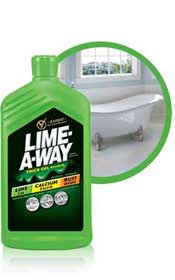
While Lime Away can be more expensive than some eco-friendly products, homemade solutions like vinegar and baking soda are cost-effective and readily available.
Consumer Insights: What Are People Saying?
Consumer reviews and testimonials provide valuable insights into the effectiveness and safety of cleaning products. Many users have reported positive experiences with eco-friendly alternatives, citing:
- Health Benefits: Users have noted fewer respiratory issues and skin irritations when switching from harsh chemicals to natural products.
- Effectiveness: Many claim that eco-friendly products perform just as well, if not better, than traditional cleaners.
- Environmental Responsibility: Consumers appreciate knowing they are making choices that help protect the planet.
Making the Right Choice for Your Home
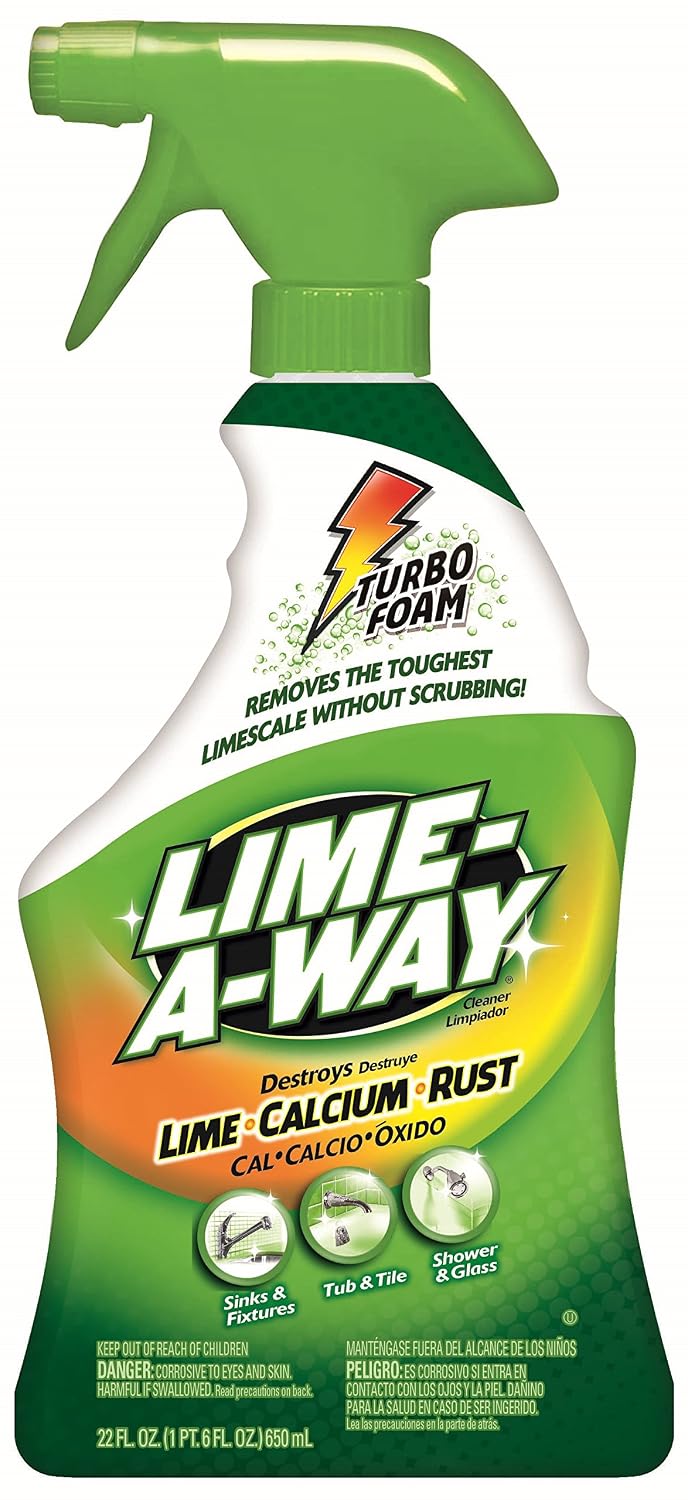
As we become more aware of the environmental impact of our choices, opting for eco-friendly cleaning products becomes increasingly important. While Lime Away may be effective for heavy-duty cleaning tasks, its harsh chemicals and potential health risks make it a less favorable option for environmentally-conscious consumers.
There are numerous eco-friendly alternatives that are not only effective but also safer for both your health and the planet. From vinegar and baking soda to commercially available green cleaning products, you have a variety of options to choose from. By making informed decisions, you can maintain a clean home while contributing to a healthier environment.
In the end, the choice is yours: is the convenience of Lime Away worth the potential risks, or will you embrace the many eco-friendly alternatives available to you? The shift towards sustainability is not just a trend; it is a responsibility we all share as stewards of our planet.