Electric stoves have become a staple in modern kitchens due to their efficiency, ease of use, and precision in cooking. However, one of the lesser-discussed aspects of electric stoves is the importance of plug adapters. Whether you’re moving into a new home, upgrading your kitchen, or simply trying to connect an appliance with a different plug type, understanding electric stove plug adapters is crucial. This article aims to provide a comprehensive guide on everything you need to know about electric stove plug adapters, including their types, safety concerns, and practical tips for use.
Understanding Electric Stove Plug Types

Electric stoves typically require specific plug types that correspond to their power requirements. These plugs are designed to handle the voltage and amperage needed for safe operation. In the United States, the most common plug types for electric stoves include:
- NEMA 10-30: This is a 30-amp, 240-volt plug commonly used for older electric stoves. It has two flat parallel prongs and a grounding prong.
- NEMA 14-30: Another 30-amp plug, this type is designed for newer electric stoves and includes a neutral prong along with two hot prongs and a ground prong.
- NEMA 6-30: This plug is used for high-powered appliances and features two flat prongs and a ground prong, resembling the NEMA 10-30 but without the neutral prong.
- NEMA 14-50: Commonly used for electric ranges and some larger appliances, this 50-amp plug accommodates appliances with higher power demands.
Why You Might Need an Electric Stove Plug Adapter

There are several scenarios in which you might need an electric stove plug adapter:
- Moving to a New Home: If you’re moving to a new location, the electrical setup may differ, requiring an adapter to connect your existing appliance.
- Purchasing a New Stove: When investing in a new electric stove, ensure it matches your home’s outlet specifications. If not, an adapter may be necessary.
- Traveling: If you’re using an electric stove in a different country, you’ll likely need an adapter to fit the local electrical outlets.
Choosing the Right Adapter

When selecting an electric stove plug adapter, several factors should be considered to ensure compatibility and safety:
- Voltage and Amperage Ratings: Always check the voltage and amperage ratings of your appliance and ensure the adapter can handle them. Using an adapter that cannot support the required specifications can lead to overheating, electrical fires, or appliance damage.
- Plug Configuration: Make sure the adapter matches the specific plug configuration of your electric stove. An incorrect adapter can create a poor connection, leading to power loss or damage.
- Quality and Certification: Look for adapters that are UL-listed or meet other safety certifications. High-quality adapters are less likely to fail under load.
Installation and Use of Electric Stove Plug Adapters
Installing an electric stove plug adapter can be straightforward, but it’s essential to follow safety guidelines. Here’s a step-by-step guide:
- Disconnect the Appliance: Before making any changes, ensure the electric stove is unplugged to prevent electric shock.
- Inspect the Electrical Outlet: Check the outlet to ensure it’s in good condition and can handle the appliance’s load.
- Attach the Adapter: Connect the adapter to the outlet, ensuring it fits snugly and securely.
- Connect the Stove: Plug the electric stove into the adapter, ensuring a tight connection.
- Test the Connection: Turn on the stove to ensure it functions properly and monitor for any unusual signs, such as overheating or flickering lights.
Safety Considerations

While plug adapters can be convenient, they come with safety risks if not used correctly. Here are essential tips to keep in mind:
- Avoid Overloading: Ensure that the combined load of the stove and any other appliances on the same circuit does not exceed the circuit’s capacity.
- Regular Inspections: Periodically check your adapter for wear and tear, such as fraying cords or loose connections.
- Use Only as Intended: Do not use adapters to bypass electrical codes or connect appliances that require a higher amperage than your circuit can provide.
Case Study: Common Issues with Electric Stove Plug Adapters
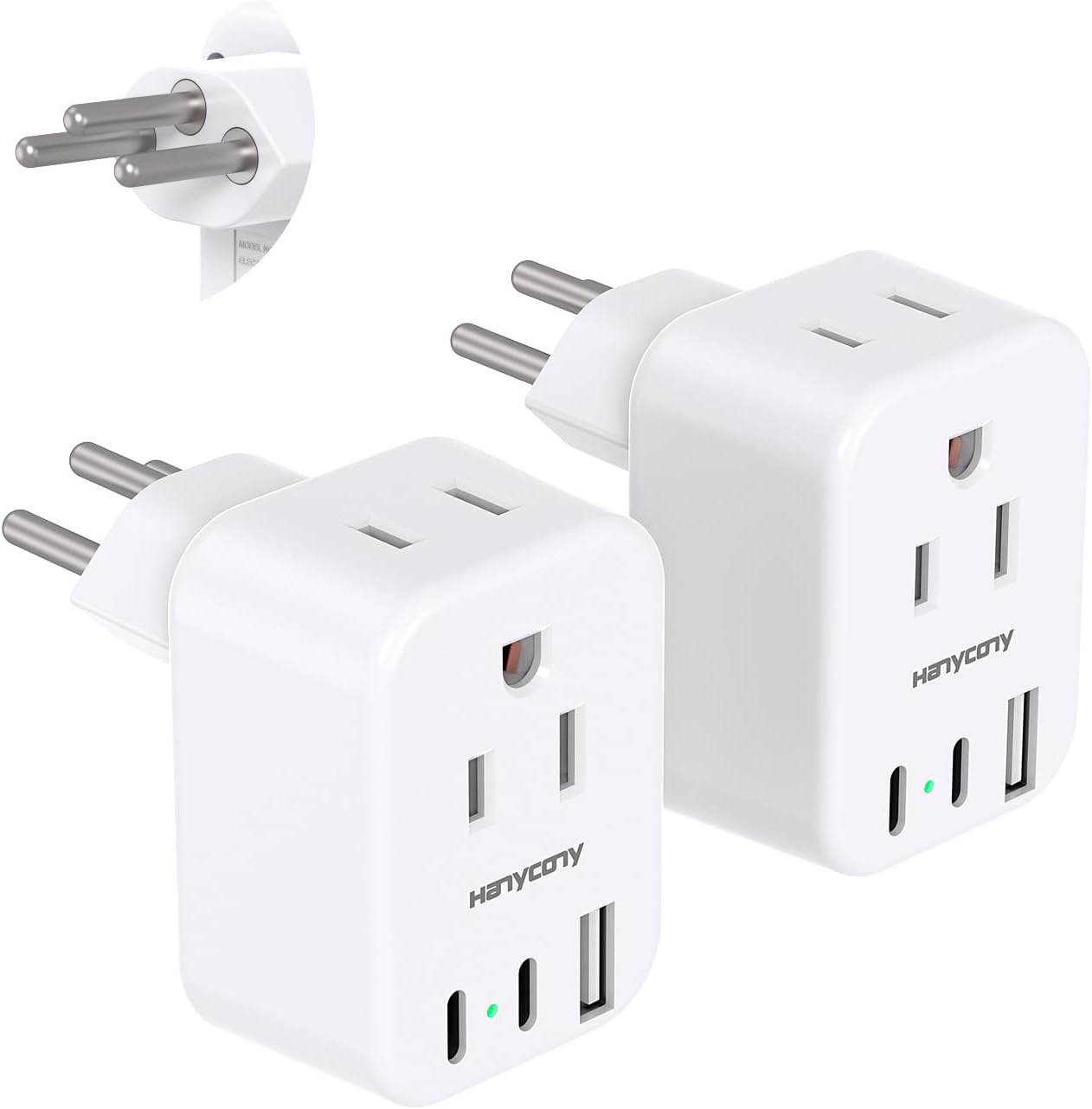
A case study involving a family who moved into an older home highlights the potential pitfalls of using the wrong adapter. The Johnsons, who had recently purchased a double oven electric range, discovered that their new stove had a NEMA 14-30 plug, while the outlet in their kitchen was configured for a NEMA 10-30 plug.
They decided to use a NEMA 10-30 to NEMA 14-30 adapter without verifying the amperage ratings. Within a week, they noticed that the stove struggled to heat properly. Eventually, the adapter overheated, causing a tripped breaker and a minor electrical fire. Fortunately, they were home to extinguish the fire before it spread.
This incident underscores the importance of using the correct adapter and ensuring it meets all safety standards. Always consult a licensed electrician if you’re unsure about your electrical setup.
Alternatives to Plug Adapters

While plug adapters can solve many connection issues, they’re not the only solution. Here are some alternatives:
- Hardwiring: For permanent installations, consider hardwiring the stove directly to the electrical system, which eliminates the need for adapters.
- Outlet Replacement: If you frequently use appliances with different plug types, replacing the outlet with one that matches your appliance may be a more permanent solution.
- Professional Consultation: If you’re unsure about your electrical setup, hiring a licensed electrician can provide expert advice and ensure safety.
In summary, electric stove plug adapters play a crucial role in connecting appliances with different plug types to your home’s electrical system. By understanding the different plug types, selecting the right adapter, and adhering to safety guidelines, you can ensure safe and efficient operation of your electric stove. Always consider the voltage and amperage requirements, invest in quality products, and don’t hesitate to consult professionals when in doubt. With this essential guide, you can confidently navigate the world of electric stove plug adapters and make informed decisions for your kitchen needs.