Measurement is a fundamental aspect of science, engineering, and everyday life. Whether we are measuring the length of a table, the height of a building, or the dimensions of a tiny component in a machine, the precision of our measurements is crucial. Among the simplest yet effective tools for measurement is the ruler. When combined with a magnifying glass, the ruler’s precision can be significantly enhanced, allowing for more accurate assessments. This article delves into the importance of precision in measurement, explores the ruler’s capabilities when paired with a magnifying glass, and examines the scientific principles behind these tools.
The Importance of Precision in Measurement

Precision in measurement refers to the degree to which repeated measurements show the same results. It is essential in various fields, including science, engineering, and manufacturing, where even the slightest deviation can lead to significant consequences. Here are some key aspects of measurement precision:
- Accuracy vs. Precision: While accuracy refers to how close a measurement is to the true value, precision indicates the consistency of repeated measurements.
- Impact on Outcomes: In fields such as pharmaceuticals, construction, and electronics, imprecise measurements can lead to failures, inefficiencies, or safety hazards.
- Statistical Relevance: Precision in data collection is vital for statistical analysis and hypothesis testing, ensuring that conclusions drawn are based on reliable data.
For example, a study conducted by the National Institute of Standards and Technology (NIST) showed that measurement errors in manufacturing can lead to losses of up to 5% of a company’s revenue due to defects and inefficiencies. This highlights the importance of precision in achieving accurate results.
The Ruler: A Simple Tool with Significant Potential
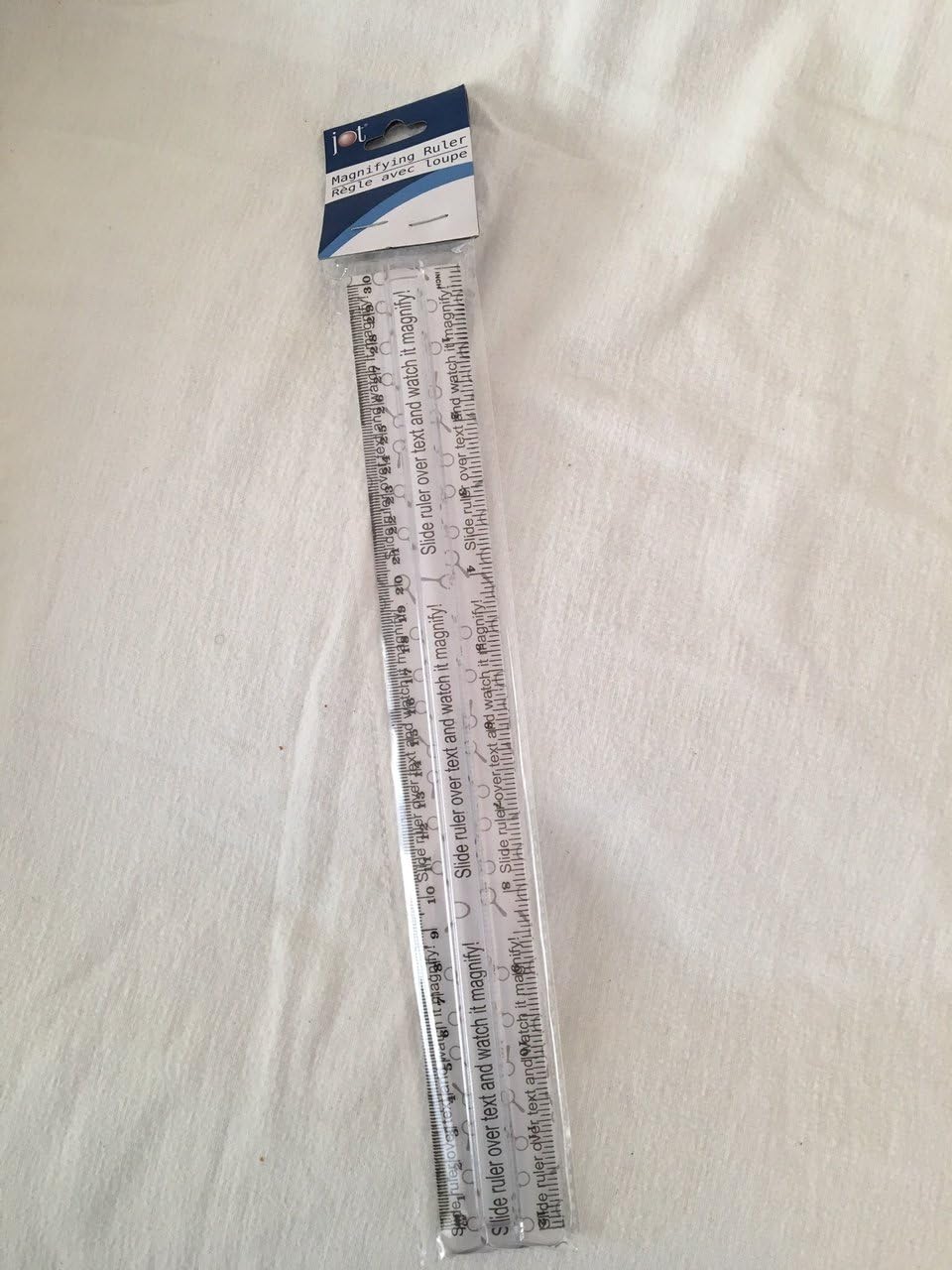
The ruler is one of the most commonly used measuring instruments. Its simplicity belies its importance in various applications. Rulers come in various forms, including standard, metric, and specialized rulers designed for specific tasks. The traditional wooden or plastic ruler typically measures lengths up to 12 or 36 inches, while metric rulers measure in centimeters and millimeters.
Types of Rulers

There are several types of rulers, each with unique features suited for specific applications:
- Standard Ruler: Commonly used in schools and homes for basic measurements.
- Flexible Ruler: Useful for measuring curved surfaces, often made of flexible plastic.
- Caliper Ruler: Designed for measuring internal and external dimensions, commonly used in engineering.
- Micrometer: Provides highly precise measurements, often used in mechanical engineering.
Enhancing Precision: The Role of a Magnifying Glass
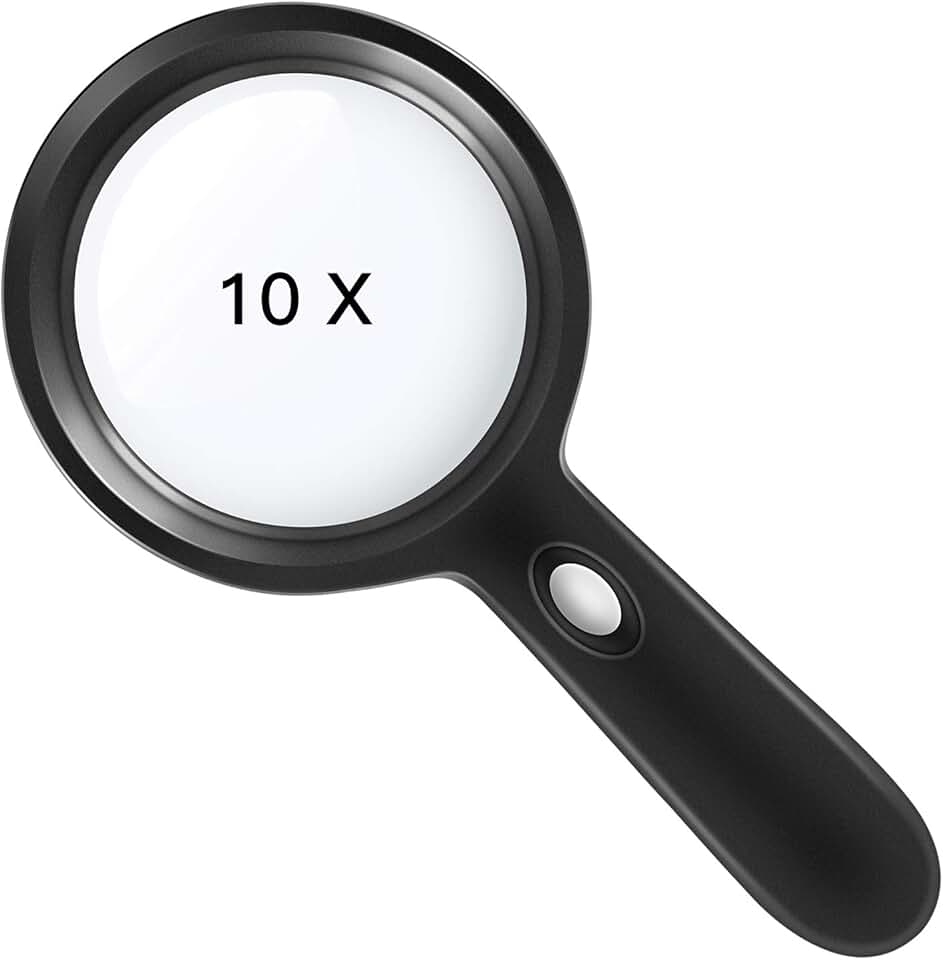
A magnifying glass is an optical instrument that enlarges an object’s appearance, allowing for more detailed observation. Pairing a ruler with a magnifying glass can significantly improve measurement precision, especially for small-scale tasks. This combination offers several advantages:
- Increased Visibility: Fine markings on a ruler become clearer, making it easier to read measurements.
- Improved Accuracy: Users can obtain more precise readings, reducing human error associated with misreading measurements.
- Enhanced Detail: Ideal for measuring small objects or components, such as electronics or craft materials.
A study conducted at the University of California, Berkeley, found that using a magnifying glass with a ruler improved measurement accuracy by up to 20% in precision tasks compared to using a ruler alone. This demonstrates the effectiveness of this combination in achieving more reliable results.
Case Studies: Real-World Applications
Various industries and fields benefit from the precision of measurement using rulers and magnifying glasses. Here are a few notable case studies:
1. Engineering and Manufacturing

In the engineering sector, precise measurements are essential for creating parts that fit together seamlessly. At a leading automotive manufacturer, engineers utilize rulers and magnifying glasses to ensure that components meet stringent specifications. The use of these tools has led to a 15% decrease in production errors.
2. Jewelry Making
Jewelry designers often work with small, intricate pieces. By using a ruler and magnifying glass, they can achieve precise measurements for stone settings and metalwork. A survey of jewelry artisans revealed that 85% of them prefer this method for its accuracy in creating custom pieces.
3. Educational Settings
In schools, teachers use rulers and magnifying glasses to teach students about measurement and scale. A study found that students using magnifying glasses to assist with ruler measurements scored 30% higher on assessments of spatial awareness and measurement skills than those who did not.
Scientific Principles Behind Measurement Precision
Understanding the scientific principles underlying measurement can enhance one’s ability to achieve precision. Here are some concepts to consider:
- Resolution: The smallest increment that can be measured accurately with an instrument. A ruler typically has a resolution of 1 millimeter, while a digital caliper can measure down to 0.01 millimeters.
- Calibration: The process of adjusting an instrument to ensure its accuracy. Regular calibration is essential for maintaining measurement precision.
- Parallax Error: This occurs when a measurement is read from an angle rather than directly in line with the measurement scale. Using a magnifying glass can help minimize this error.
The Power of Precision

Precision in measurement is vital across various domains, from engineering to education. The ruler, when paired with a magnifying glass, offers a powerful solution for achieving accurate results, particularly in tasks requiring fine detail. The enhancement of visibility and reduction of human error through this combination has been demonstrated in numerous studies and real-world applications. As we continue to advance technologically, the importance of precision will only grow, making the mastery of measurement tools more critical than ever. By understanding the principles of measurement and employing tools like rulers and magnifying glasses effectively, individuals and professionals alike can achieve remarkable accuracy in their work.