Color plays a significant role in our lives, influencing our emotions, perceptions, and even our behaviors. When it comes to interior design, the color of objects in our space can have a profound effect on our mood and overall atmosphere. One color that has garnered attention for its calming and refreshing qualities is green. This article explores the psychology of color, specifically focusing on why green photo frames can enhance your living or working space.
The Science of Color Psychology

Color psychology is the study of how colors affect human behavior and emotions. Different colors evoke different feelings and associations, which can influence our decisions, moods, and even productivity. Here are some key points about color psychology:
- Emotional Responses: Colors can elicit powerful emotional responses. For instance, warm colors like red and orange can evoke feelings of excitement or aggression, while cool colors like blue and green tend to have a calming effect.
- Cultural Significance: The meaning of colors can vary across different cultures. For example, while white is often associated with purity in Western cultures, it symbolizes mourning in some Eastern cultures.
- Context Matters: The surrounding environment and context in which a color is presented can significantly alter its perceived meaning and emotional impact.
The Color Green: Symbolism and Meaning

Green is often associated with nature, growth, and renewal. It is a color that can inspire feelings of tranquility and balance. Here are some common associations with the color green:
- Nature and Environment: Green is the color of lush forests, grass, and plants, symbolizing life and vitality.
- Calmness and Relaxation: Many studies suggest that green tones can help reduce anxiety and promote a sense of calm.
- Growth and Renewal: Green is often linked to personal growth and new beginnings, making it an ideal choice for spaces intended for creativity and inspiration.
Why Choose Green Photo Frames?
Photo frames, while often overlooked, play a crucial role in home and office decor. The color of a photo frame can significantly impact the way the images within it are perceived. Here’s why green photo frames stand out:
1. Enhancing the Aesthetic Appeal
Green photo frames can enhance the overall aesthetic of your space. The color can create a refreshing contrast against other colors in the room, bringing a sense of harmony and balance. Here are some ways green frames can enhance aesthetics:
- Contrast: Green frames can provide a beautiful contrast to warm-toned images, making them pop.
- Coordinating Colors: Green pairs well with a variety of colors, including neutral tones, blues, and earth tones, making it versatile for any decor style.
- Natural Look: The color green can evoke feelings of being outdoors, creating a natural and inviting atmosphere.
2. Creating a Calming Atmosphere
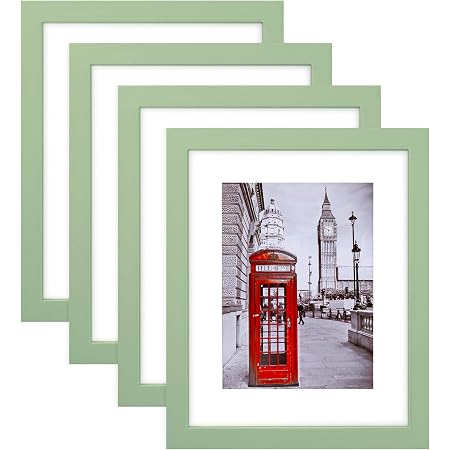
The calming effects of green can transform a space into a sanctuary. Research indicates that exposure to green can lower stress levels and promote relaxation. A calming atmosphere can lead to improved focus and productivity, particularly in work environments. Consider the following:
- Reduces Eye Strain: Green is easy on the eyes and can reduce fatigue, making it ideal for spaces where you spend a lot of time.
- Promotes Well-Being: Studies have shown that green environments can improve mental well-being, leading to increased happiness and satisfaction.
- Enhances Creativity: A calming environment can foster creative thinking and problem-solving, making green frames perfect for home offices or creative spaces.
3. Personalization and Sentimentality
Green photo frames allow you to personalize your space while adding sentimental value. By displaying cherished memories in green frames, you not only enhance the decor but also create a more meaningful environment. Here are some additional benefits:
- Showcases Nature: If your photos include outdoor scenes or landscapes, green frames can complement the content beautifully.
- Inviting Feel: A personalized display of memories can create an inviting feel, making guests feel welcome in your home.
- Encourages Reflection: Surrounding yourself with meaningful images can prompt positive thoughts and memories, enhancing your mood.
Case Studies: The Impact of Green in Decor
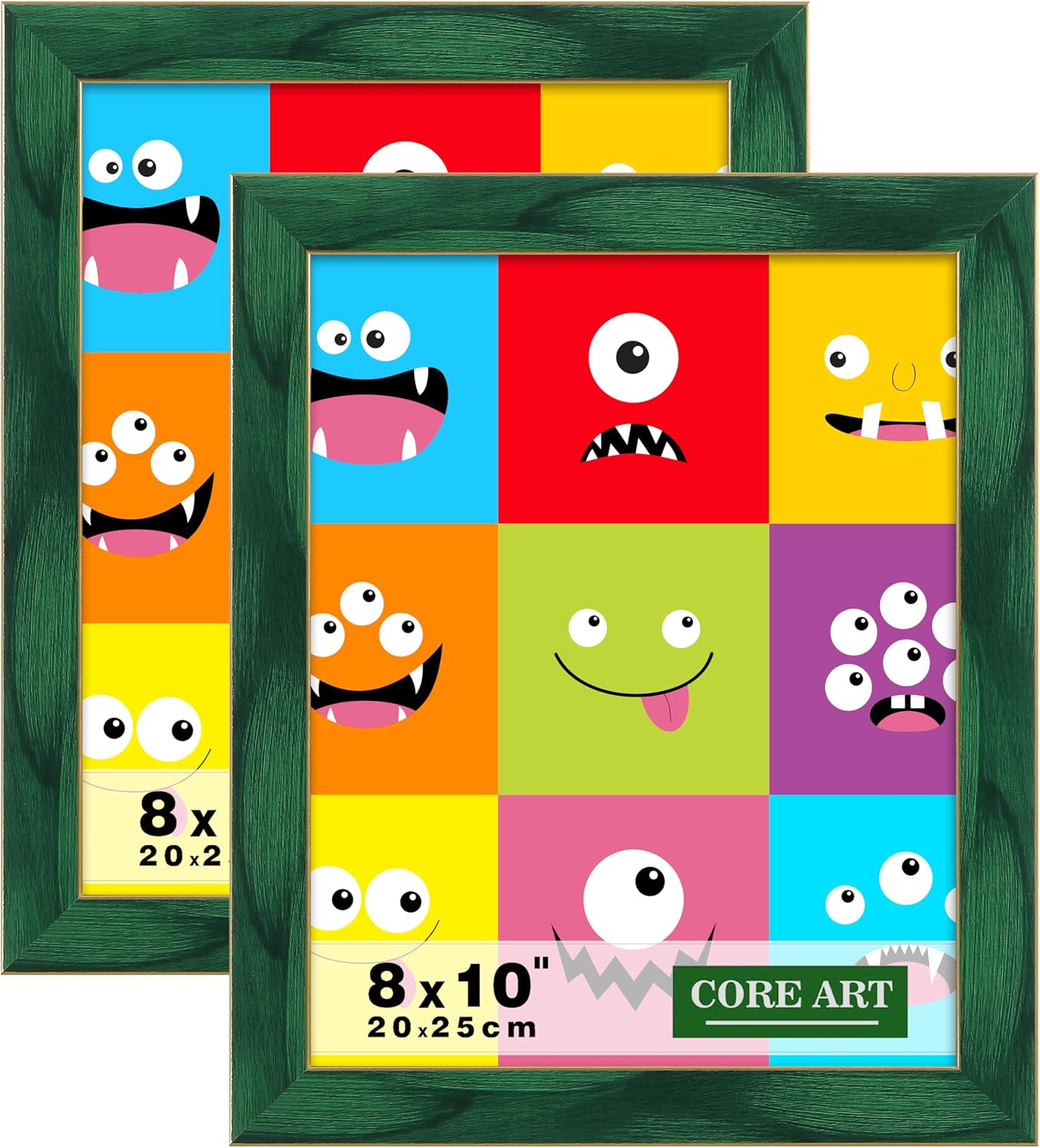
Several studies and real-world examples demonstrate the positive effects of using green in interior decor, including photo frames. One notable case is a 2017 study published in the journal “Environment and Behavior,” which found that individuals working in green environments reported higher levels of concentration and lower levels of stress compared to those in spaces with less greenery.
Another example comes from the design firm “Green Spaces,” which specializes in biophilic design—integrating natural elements into interiors. Their projects often incorporate green frames to enhance mood and productivity, showing significant improvements in client satisfaction and employee well-being.
Choosing the Right Shade of Green

Not all greens are created equal; the shade of green you choose for your photo frames can significantly impact the emotions they evoke. Here are some popular shades and their implications:
- Mint Green: This light, fresh shade promotes a sense of tranquility and is often associated with renewal.
- Olive Green: A more muted tone, olive green conveys a sense of sophistication and warmth.
- Forest Green: This deeper shade is associated with stability and endurance, providing a grounding effect.
The Power of Green in Your Space
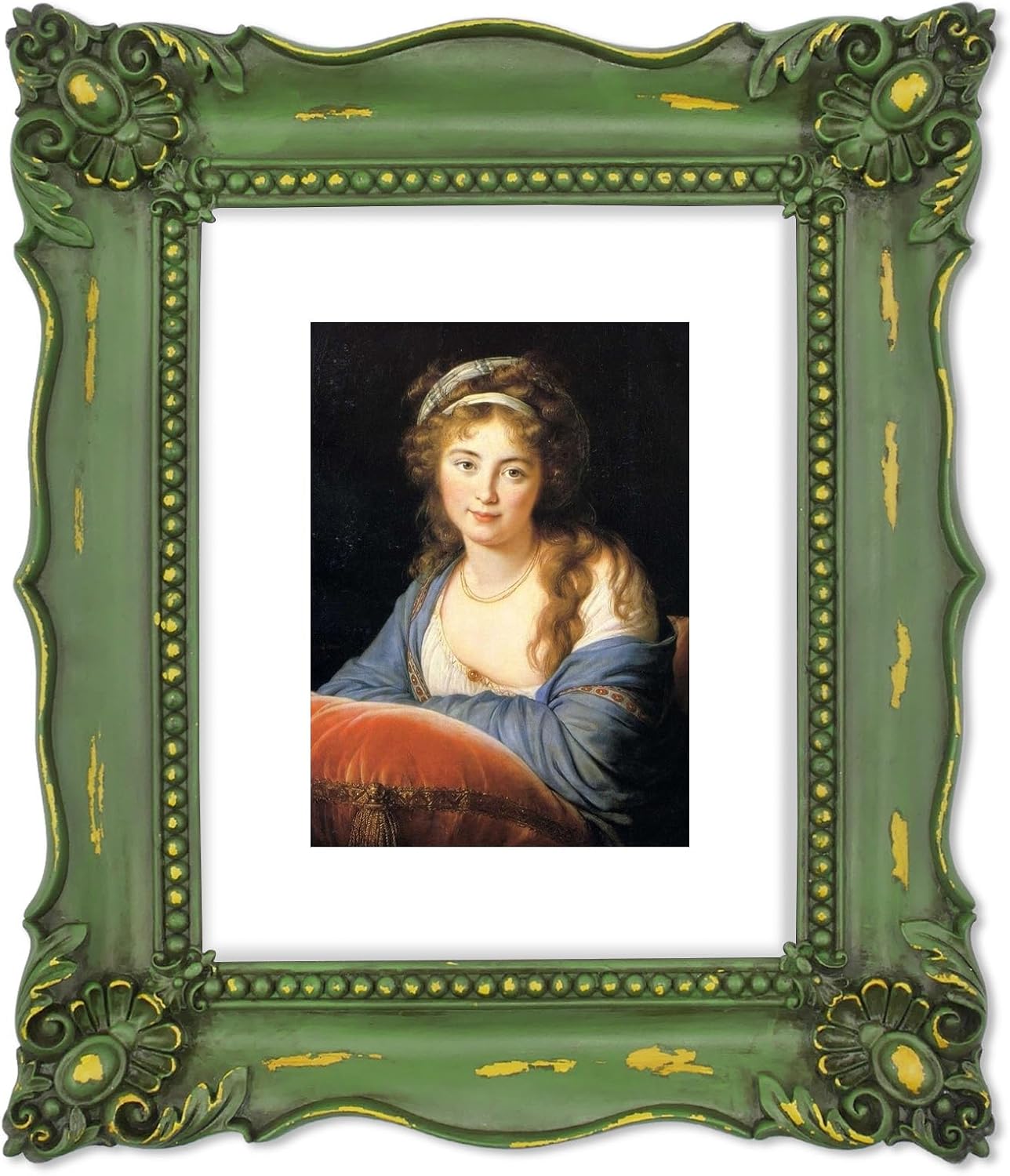
Incorporating green photo frames into your decor can significantly enhance your space, providing aesthetic appeal, a calming atmosphere, and a personalized touch. The psychology of color reveals that green is not only a visually appealing choice but also one that promotes emotional well-being and creativity. By understanding the power of color, you can make informed decisions that will positively impact your living or working environment. Embrace the refreshing qualities of green and watch as your space transforms into a haven of tranquility and inspiration.