As the crisp air of winter descends upon the landscape, many creatures adapt to the cold, showcasing nature’s resilience and ingenuity. While many animals retreat from the frigid temperatures, others thrive amidst the snow and ice, offering a glimpse into the hidden habitats that exist in some of the harshest conditions on Earth. This article explores the fascinating world of winter wildlife, examining the strategies that animals employ to survive and thrive in these chilly environments.
The Adaptations of Winter Wildlife
Winter brings a unique set of challenges for wildlife. Animals must contend with extreme temperatures, reduced food availability, and the threat of predators. To overcome these obstacles, many species have developed remarkable adaptations, which can be categorized into three main strategies: behavioral adaptations, physiological adaptations, and morphological adaptations.
Behavioral Adaptations
Behavioral adaptations involve changes in the ways animals act or respond to their environment. Some common strategies include:
- Migration: Many birds, such as the Arctic Tern, migrate thousands of miles to escape the cold and find food. These seasonal travelers can alter their habitats significantly, helping to maintain ecological balance.
- Hibernation: Animals like bears and ground squirrels enter a state of hibernation, significantly lowering their metabolic rates and conserving energy during the cold months.
- Food Storage: Squirrels and many birds cache food during warmer months, allowing them to survive when resources are scarce.
Physiological Adaptations
Physiological adaptations involve internal changes that enhance survival. Key examples include:
- Antifreeze Proteins: Some fish and insects produce antifreeze proteins that prevent their bodily fluids from freezing, enabling them to survive in sub-zero temperatures.
- Fat Reserves: Many mammals, such as seals and walruses, build up thick layers of blubber to insulate against the cold and provide energy reserves.
- Thicker Fur: Animals like the Arctic fox and snowshoe hare develop thicker coats in winter, providing insulation and camouflage against the snow.
Morphological Adaptations
Morphological adaptations are structural changes in an organism’s body. Examples include:
- Body Size: Bergmann’s Rule states that larger animals tend to inhabit colder regions, as a larger body size helps retain heat.
- Coloration: Many animals, like the Ptarmigan, change their plumage from brown in summer to white in winter, providing both camouflage from predators and warmth from the sun’s reflection off the snow.
- Specialized Feet: Animals such as snowshoe hares have large, furry feet that prevent them from sinking into the snow, aiding in movement and hunting.
Hidden Habitats: Where Winter Wildlife Thrives
While winter can be harsh, numerous ecosystems provide refuge for cold-weather animals. From frozen tundras to dense forests, these habitats are vital for the survival of various species.
Tundra Ecosystems

The tundra is one of the most extreme habitats, characterized by permafrost, low temperatures, and short growing seasons. Despite these challenges, a variety of wildlife thrives here:
- Arctic Fox: These adaptable predators hunt small mammals and birds, using their keen sense of hearing to locate prey beneath the snow.
- Caribou: Migratory patterns of caribou are linked to seasonal food availability and calving, showcasing their reliance on the tundra environment.
- Snowy Owl: This majestic bird hunts in open areas, often utilizing its white plumage for camouflage against the snow.
Forests and Woodlands
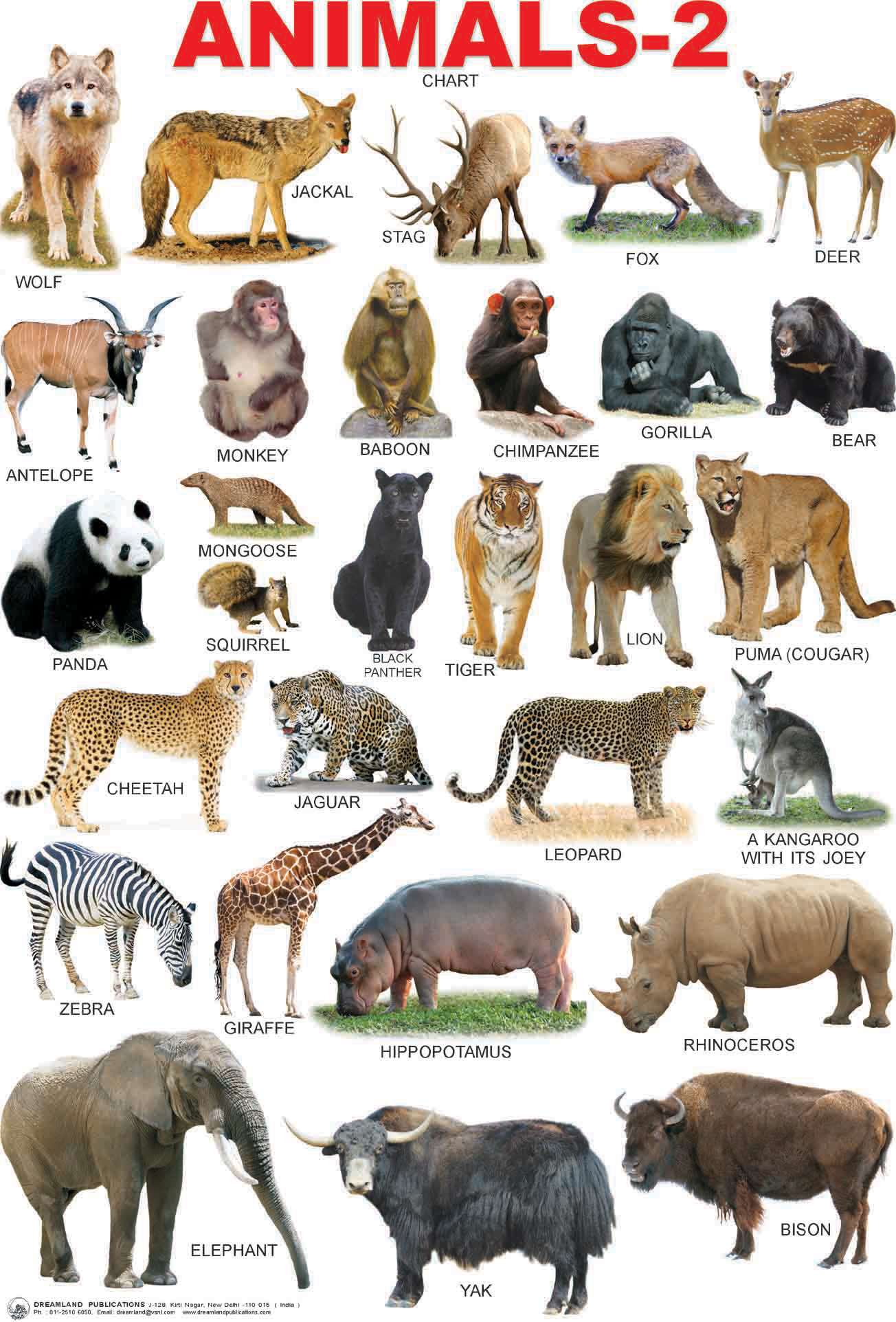
Forests and woodlands also teem with life during winter. The dense cover of trees offers protection and resources for many species:
- Red Fox: These cunning mammals adapt their hunting strategies based on snow depth and prey availability, often using their acute sense of smell to locate hidden critters.
- Woodpeckers: These birds forage for insects hidden beneath the bark of trees, employing their sharp beaks to tap into tree trunks.
- Deer: White-tailed deer use forested areas for shelter and forage on twigs and bark when snow covers the ground.
Wetlands and Frozen Lakes
Wetlands and frozen lakes present unique challenges and opportunities for winter wildlife:
- Beavers: These industrious rodents construct dams that create ponds, providing a habitat for various aquatic species, even in winter.
- Ducks and Geese: Many waterfowl remain in open water areas, where they can find food and shelter, demonstrating their adaptability to changing conditions.
- Fisheries: Ice-covered lakes can host fish species that remain active beneath the ice, providing a food source for winter predators like eagles and otters.
Case Studies of Resilient Winter Wildlife
To further understand the adaptations of winter wildlife, let’s explore a few case studies that highlight their resilience in the face of cold conditions.
The Arctic Tern: Master of Migration
The Arctic Tern is renowned for its incredible migration journey, traveling around 71,000 kilometers (44,000 miles) each year from its breeding grounds in the Arctic to wintering grounds in the Antarctic. This remarkable journey is not just a testament to endurance but also to the tern’s ability to locate food sources and suitable habitats across vast distances.
The Snowshoe Hare: Changing with the Seasons
The snowshoe hare exhibits one of the most striking seasonal adaptations in the animal kingdom. In summer, its fur is brown, providing camouflage among the vegetation. As winter approaches, its fur changes to white, blending seamlessly with the snow. This adaptation not only aids in predator evasion but also plays a crucial role in thermoregulation by reflecting sunlight.
Emperor Penguins: The Ultimate Survivors
Emperor penguins are the only penguin species to breed during the Antarctic winter. Males endure harsh conditions, including temperatures as low as -60°C (-76°F), while incubating eggs on their feet. They huddle together for warmth, showcasing an extraordinary social adaptation that ensures the survival of their young.
The Resilience of Winter Wildlife
Winter wildlife is a testament to nature’s resilience and adaptability. From behavioral strategies like migration and hibernation to physiological and morphological adaptations, animals have found ingenious ways to survive and thrive in harsh conditions. The hidden habitats of cold-weather animals—from the tundra to forests and wetlands—provide critical resources that support diverse ecosystems. By understanding these adaptations and the unique challenges faced by winter wildlife, we gain valuable insights into the importance of conservation and the need to protect these fragile habitats.
As winter approaches, take a moment to appreciate the extraordinary creatures that endure the cold, showcasing the incredible diversity of life on our planet. The stories of the Arctic Tern, snowshoe hare, and Emperor penguin remind us that even in the harshest conditions, life finds a way.