When it comes to waterfront properties, docks serve as critical access points for boats, fishing, and recreational activities. However, the inherent risks associated with these structures, such as slips, trips, and falls, necessitate robust safety measures. One effective solution is the installation of dock rope railings. This article will delve into the importance of dock safety, the benefits of using rope railings, and best practices for installation and maintenance.
The Importance of Dock Safety
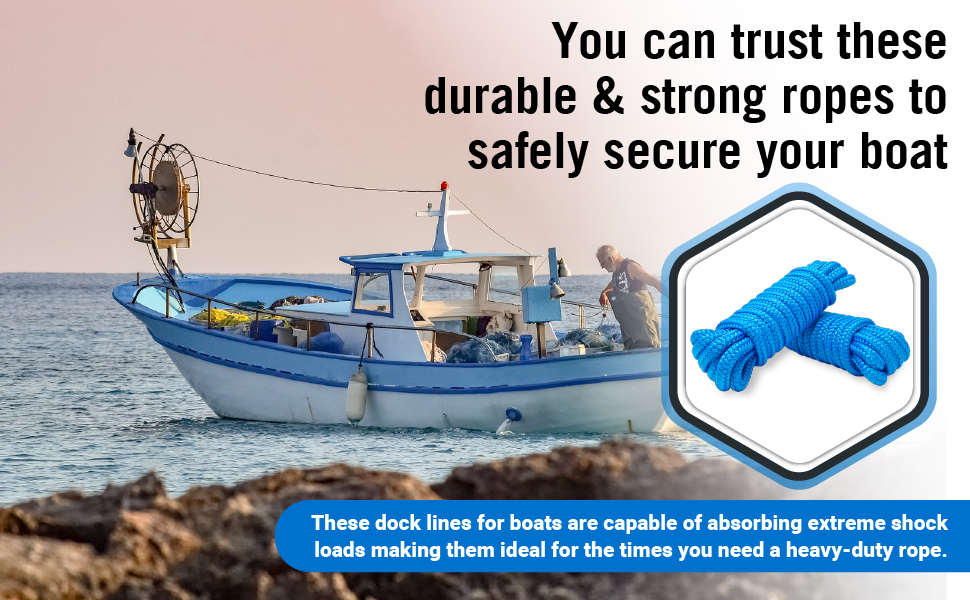
Docks are often bustling hubs of activity, making safety a paramount concern. According to the U.S. Coast Guard, thousands of boating accidents occur each year, with many resulting in injuries or fatalities. While not all accidents happen on docks, a significant number do, particularly when safety measures are inadequate.
- In 2022, the U.S. Coast Guard reported over 4,000 boating accidents, with many involving falls from docks.
- Approximately 70% of boating-related fatalities were linked to drowning, often exacerbated by slippery dock surfaces.
- Inadequate safety features on docks can lead to legal liabilities for property owners.
Given these statistics, it’s clear that prioritizing safety through effective design and infrastructure is essential for dock owners and users alike.
Benefits of Dock Rope Railings

Dock rope railings are becoming increasingly popular due to their unique advantages over traditional railing systems. Here are some of the primary benefits:
- Flexibility: Rope railings can be easily adjusted or reconfigured to accommodate changes in dock layout or activity.
- Cost-Effectiveness: Compared to metal or wooden railings, rope railings are usually less expensive to install and maintain.
- Aesthetic Appeal: Rope railings can provide a nautical aesthetic that enhances the overall appearance of the dock.
- Lightweight: The lightweight nature of rope makes it easier to handle during installation and maintenance.
- Non-Slip Surface: Rope provides a textured surface, reducing the likelihood of slips compared to smooth metal railings.
Case Studies: Successful Implementation of Dock Rope Railings
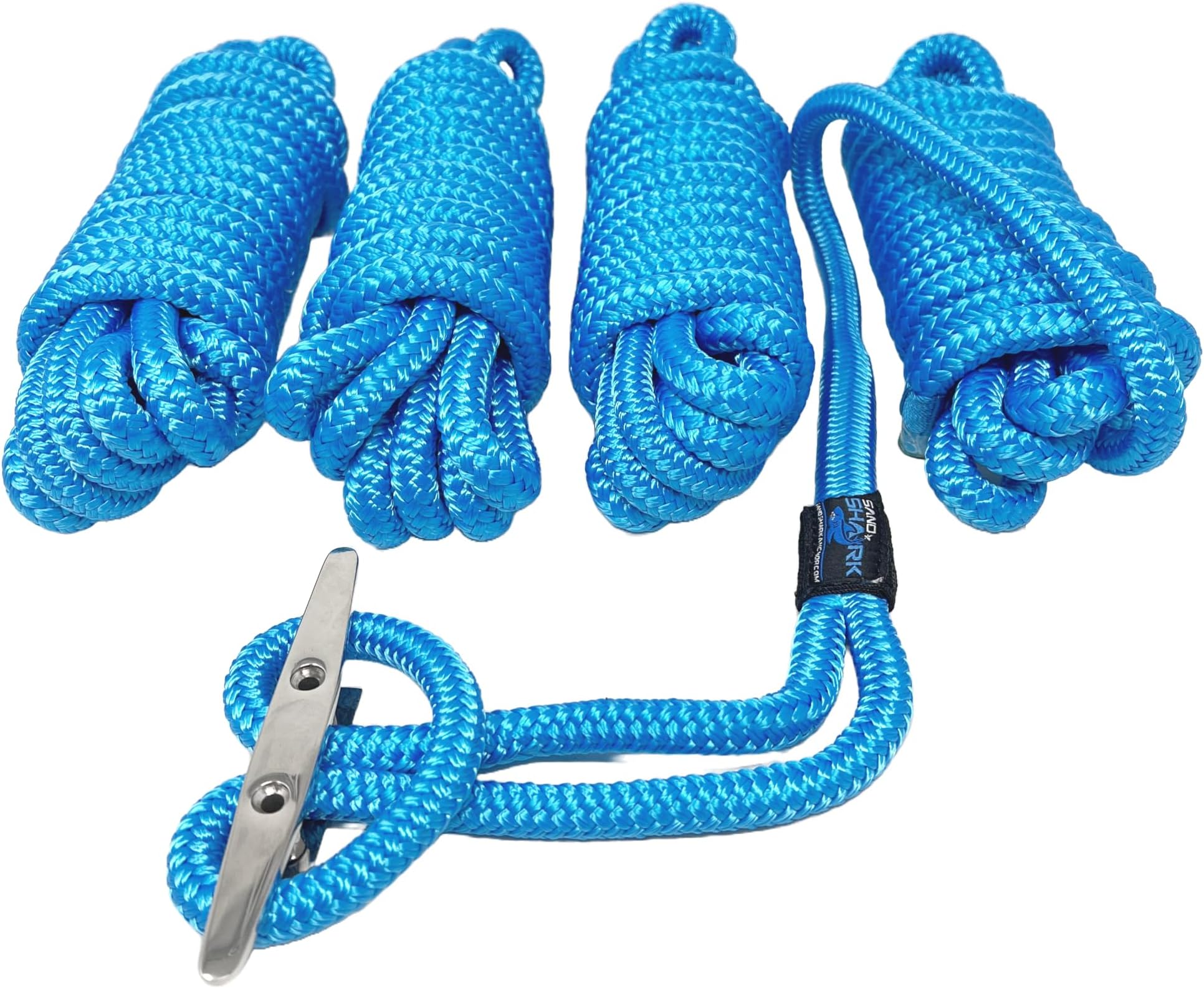
Several waterfront properties and marinas have successfully implemented dock rope railings, showcasing their effectiveness in enhancing safety. Here are a couple of notable case studies:
Case Study 1: Lakeview Marina

Located in a popular recreational area, Lakeview Marina faced numerous complaints regarding safety from patrons. After a thorough assessment, they decided to install rope railings along their docks.
- After installation, the marina reported a 50% decrease in slip and fall incidents.
- Visitors appreciated the improved aesthetics, contributing to a 20% increase in foot traffic over the summer.
Case Study 2: Coastal Retreat Resort
The Coastal Retreat Resort, a luxury destination, sought to enhance the safety of its private docks. They opted for high-quality marine-grade rope railings, which integrated seamlessly with their overall design.
- Feedback from guests indicated a significant increase in perceived safety while using the docks.
- The resort reported a 15% increase in guest satisfaction ratings related to dock safety.
Best Practices for Installing Dock Rope Railings
To ensure the effectiveness of dock rope railings, proper installation is crucial. Here are some best practices to consider:
- Choose the Right Material: Opt for marine-grade ropes that are resistant to UV rays, mildew, and saltwater damage. Materials like nylon or polyester are ideal.
- Secure Anchoring: Ensure that the rope railings are securely anchored to withstand the forces of wind, water, and human use.
- Height Considerations: Install the railings at a height that is compliant with local regulations, typically between 36 and 42 inches.
- Regular Inspections: Conduct routine inspections to check for wear and tear, replacing any damaged sections promptly.
- Clear Marking: Ensure that the edges of the dock and the railings are clearly marked to enhance visibility, especially in low light conditions.
Maintenance of Dock Rope Railings
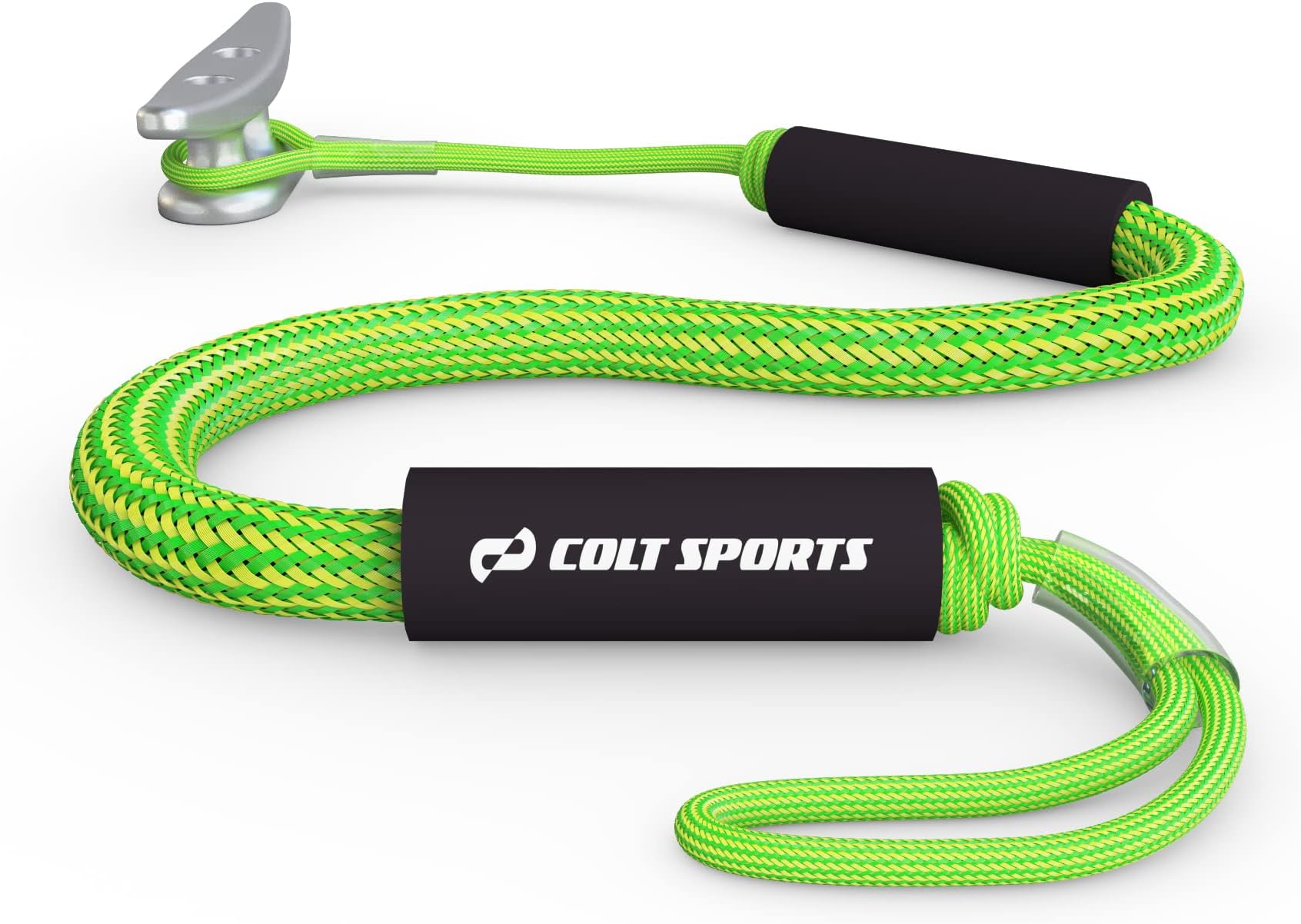
Maintenance is vital for ensuring longevity and safety. Here are essential maintenance tips:
- Cleaning: Regularly clean the rope to remove dirt, algae, and mildew. Use a mild detergent and a soft brush for effective cleaning.
- Inspection: Inspect the rope for signs of fraying or deterioration, especially after severe weather events.
- Re-tightening: Periodically check the tension of the ropes and re-tighten them as necessary to ensure stability.
- Seasonal Checks: Conduct thorough inspections before and after the boating season to ensure safety and compliance.
Regulatory Considerations
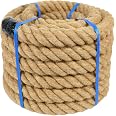
Understanding local regulations regarding dock safety and railing requirements is crucial for compliance. Many states have specific guidelines that must be adhered to, including:
- Height and spacing specifications for railings.
- Materials that can be used in construction.
- Accessibility requirements for individuals with disabilities.
Failing to comply with these regulations can lead to fines and increased liability, making it essential for dock owners to stay informed.
In conclusion, ensuring the safety and stability of docks through the installation of rope railings is not just a recommendation but a necessity. The benefits of these railings—flexibility, cost-effectiveness, aesthetic appeal, and enhanced safety—make them an ideal choice for dock owners. By following best practices for installation and maintenance and adhering to regulatory guidelines, property owners can significantly reduce the risk of accidents, improve user experience, and enhance the overall value of their waterfront properties. With the right approach, dock safety can be a seamless part of enjoying waterfront activities, ensuring that everyone can experience the joys of boating and fishing without undue risk.