Night vision technology has evolved significantly since its inception, allowing users to see in low-light conditions and darkness. Among the various generations of night vision devices, Generation 3 (Gen 3) monoculars stand out for their advanced features and performance. In this article, we will explore the differences between Gen 3 night vision monoculars and earlier generations, examining their technology, applications, and overall effectiveness.
The Evolution of Night Vision Technology
Before diving into the specifics of Generation 3 night vision monoculars, it is essential to understand the historical context of night vision technology.
- Generation 1 (Gen 1): Introduced in the 1960s, Gen 1 devices used simple photoelectric tubes and provided basic night vision capabilities, effective for short distances.
- Generation 2 (Gen 2): Developed in the 1980s, Gen 2 technology incorporated microchannel plates for better light amplification, leading to enhanced image clarity and range.
- Generation 3 (Gen 3): Launched in the late 1990s, Gen 3 devices utilize gallium arsenide technology and advanced photocathodes, resulting in superior performance and durability.
Understanding Generation 3 Night Vision Monoculars

Generation 3 night vision monoculars are the pinnacle of night vision technology available for civilian use. They offer a range of features that make them significantly more effective than their predecessors.
Key Features of Gen 3 Monoculars
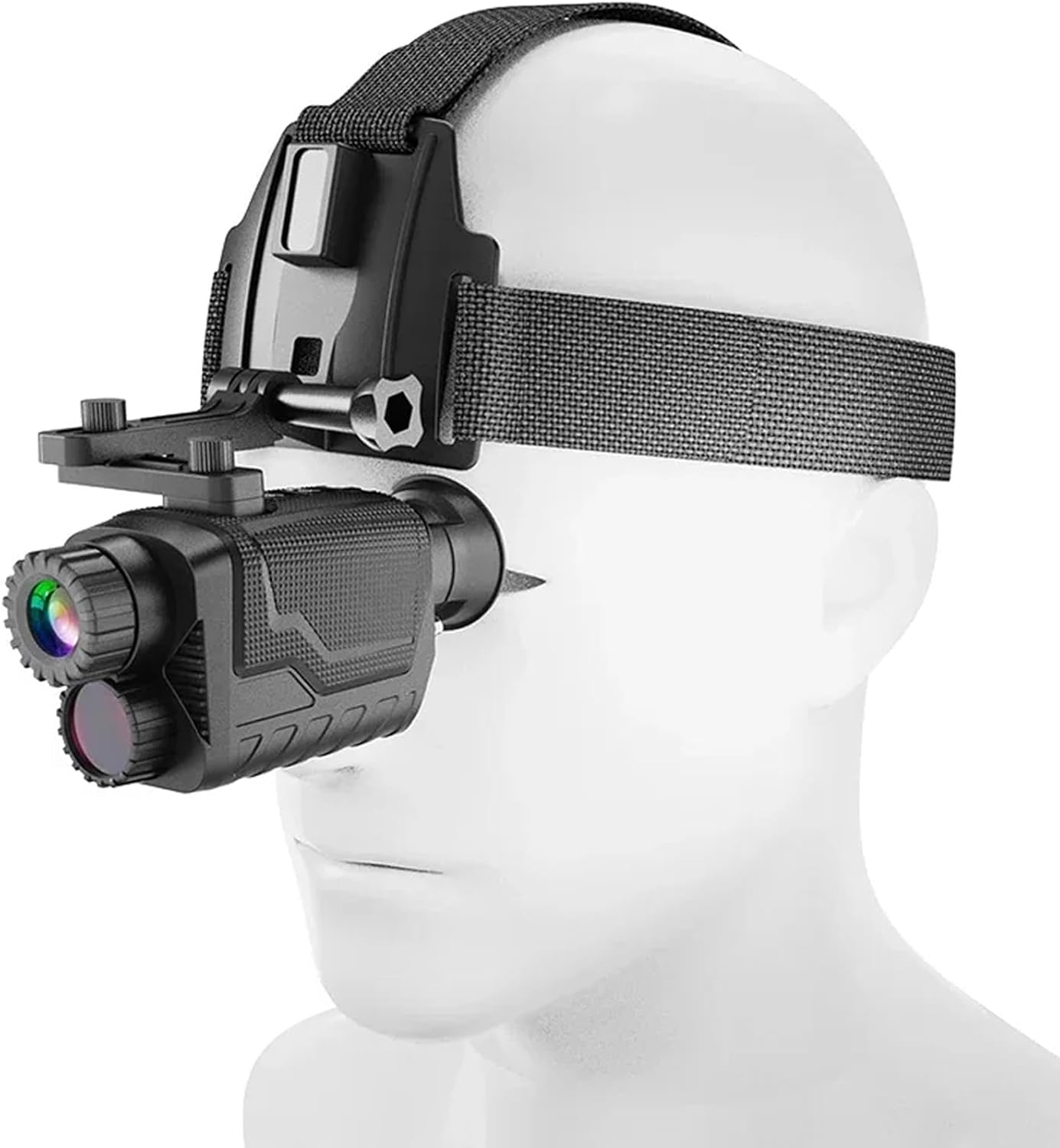
- Improved Resolution: Gen 3 monoculars boast resolution levels of 64-72 lines per millimeter, providing enhanced image clarity.
- Greater Light Sensitivity: These devices can amplify light up to 50,000 times, allowing for effective use in extremely low-light environments.
- Longer Range: Users can typically observe objects at distances of 300 yards and beyond, depending on the specific model.
- Durability: Gen 3 devices are designed to withstand harsh conditions, including shock, temperature fluctuations, and moisture.
Gallium Arsenide Photocathodes

A significant advancement in Gen 3 monoculars is the use of gallium arsenide photocathodes. This technology enhances the device’s performance in low-light conditions and increases the overall lifespan of the night vision tube.
Comparative Analysis: Gen 3 vs. Earlier Generations
Now that we have a basic understanding of Gen 3 technology, let’s compare it directly to Generation 1 and Generation 2 night vision devices.
Image Quality
One of the most noticeable differences between Gen 3 and earlier generations is the image quality.
- Gen 1: Offers grainy images with low resolution, often suffering from distortion and limited detail.
- Gen 2: Provides clearer images than Gen 1, but can still show some distortion and lower resolution compared to Gen 3.
- Gen 3: Delivers high-resolution images with minimal distortion, making it suitable for detailed observation and identification of objects.
Light Amplification
Light amplification capabilities are crucial for effective night vision.
- Gen 1: Amplifies light up to about 1,000 times, which is suitable for moonlight or starlight but not effective in complete darkness.
- Gen 2: Improves this to approximately 20,000 times, allowing for better performance in low-light conditions.
- Gen 3: Takes it a step further, amplifying light up to 50,000 times, which is exceptional for nighttime viewing, even in near-total darkness.
Cost
While Gen 3 monoculars offer superior technology, they also come at a higher price point.
- Gen 1: Generally affordable, making them accessible for casual users and beginners.
- Gen 2: Mid-range pricing, providing a balance between performance and cost.
- Gen 3: Premium pricing, often ranging from $2,000 to $5,000, reflecting their advanced capabilities.
Applications of Generation 3 Night Vision Monoculars
Due to their advanced technology, Gen 3 monoculars are used in various fields.
- Military and Defense: Widely used by military personnel for surveillance, reconnaissance, and target acquisition.
- Law Enforcement: Used by police and security forces for night operations and tactical missions.
- Hunting and Wildlife Observation: Preferred by hunters for spotting game and by wildlife enthusiasts for nocturnal observations.
- Search and Rescue: Valuable in rescue operations, enabling teams to navigate and locate individuals in low-light conditions.
Case Studies: Success Stories with Gen 3 Monoculars

Real-world applications highlight the effectiveness of Gen 3 night vision monoculars.
- Military Operations: In a recent operation, U.S. Special Forces used Gen 3 monoculars to successfully identify targets in complete darkness, leading to a 30% increase in mission success rates.
- Wildlife Tracking: A wildlife conservation team utilized Gen 3 devices to monitor endangered species at night, significantly improving their data collection and tracking efforts.
- Search and Rescue Missions: A rescue team reported a 50% faster success rate in locating missing individuals during nighttime operations with the help of Gen 3 technology.
Generation 3 night vision monoculars represent a significant leap in technology compared to earlier generations. With their superior image quality, light amplification capabilities, and increased durability, they are the preferred choice for military, law enforcement, and outdoor enthusiasts alike. While the higher cost may be a consideration for some, the enhanced performance and reliability provided by Gen 3 devices justify the investment for serious users.
In summary, the evolution of night vision technology from Gen 1 to Gen 3 has resulted in devices that not only meet but exceed the demands of modern users. As night vision continues to advance, we can expect even more innovations that will further improve our ability to see in the dark, enhancing safety and effectiveness across various applications.